The Lush Sanctuaries of Curú & Isla Tortuga
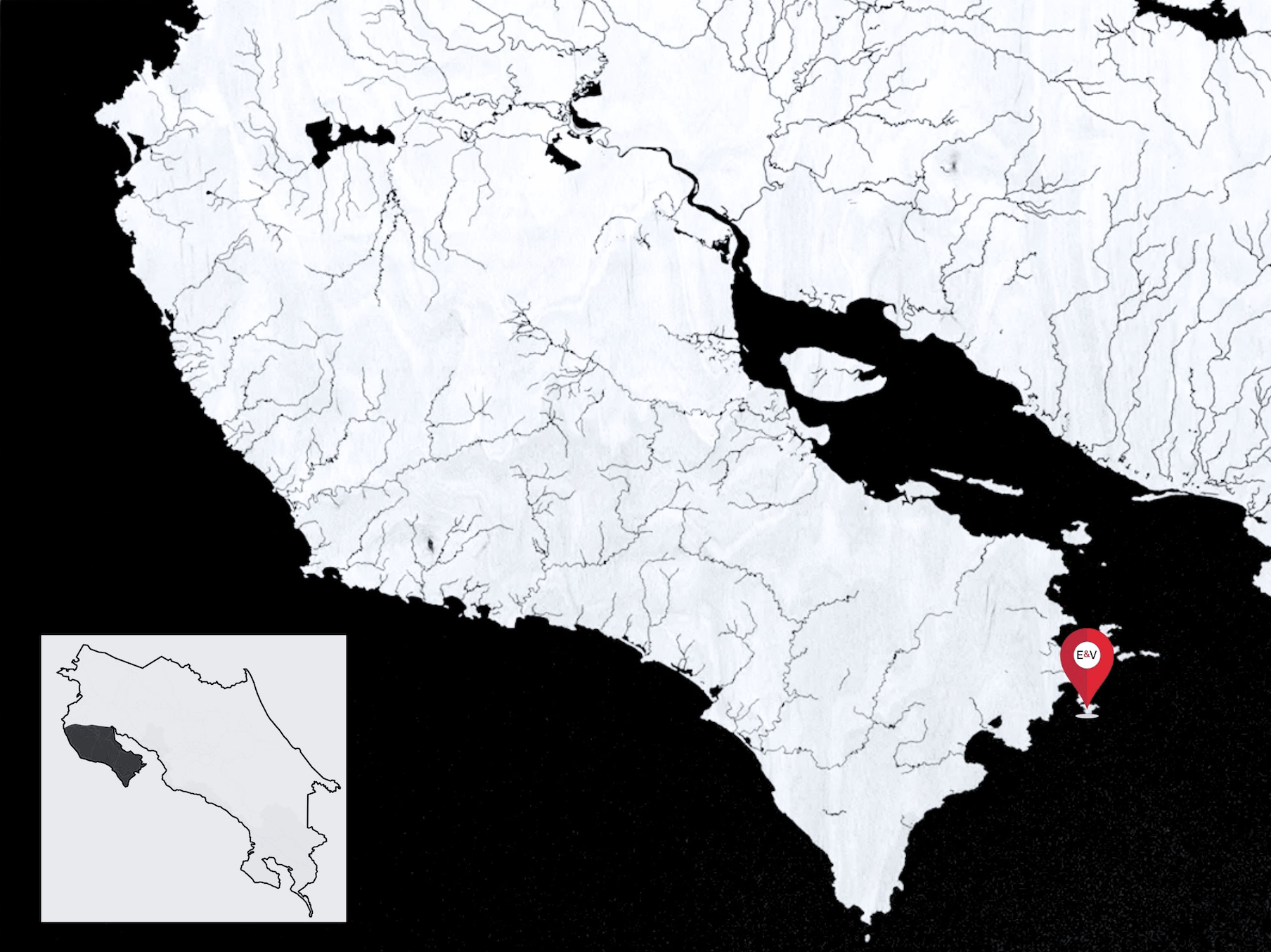
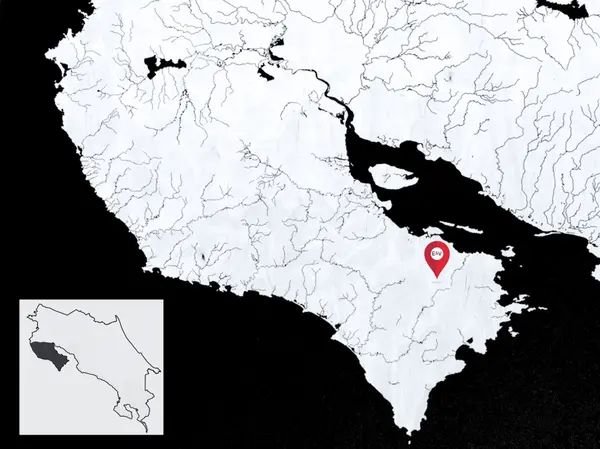
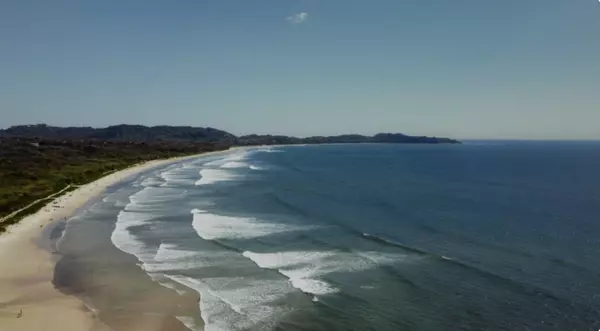
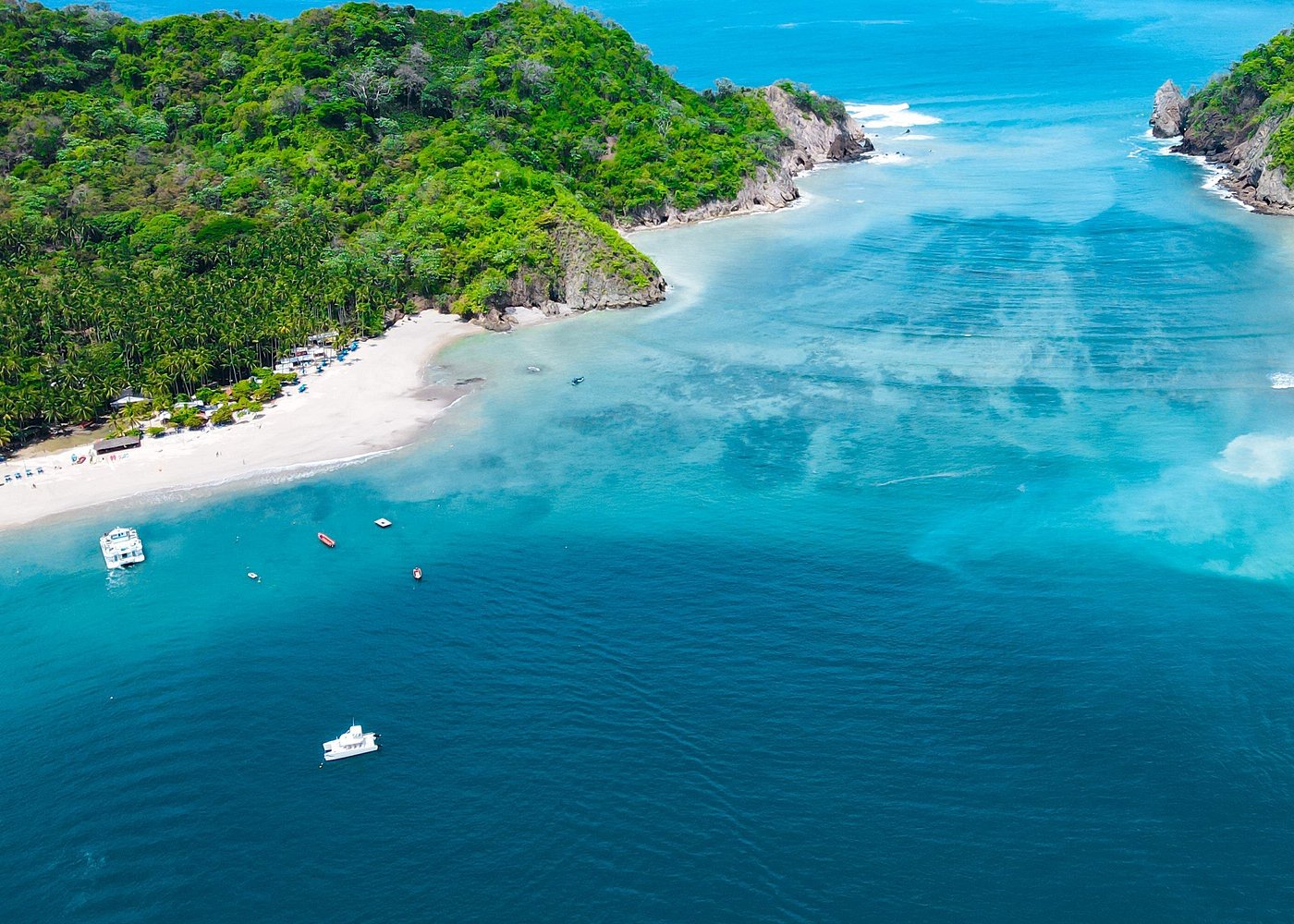
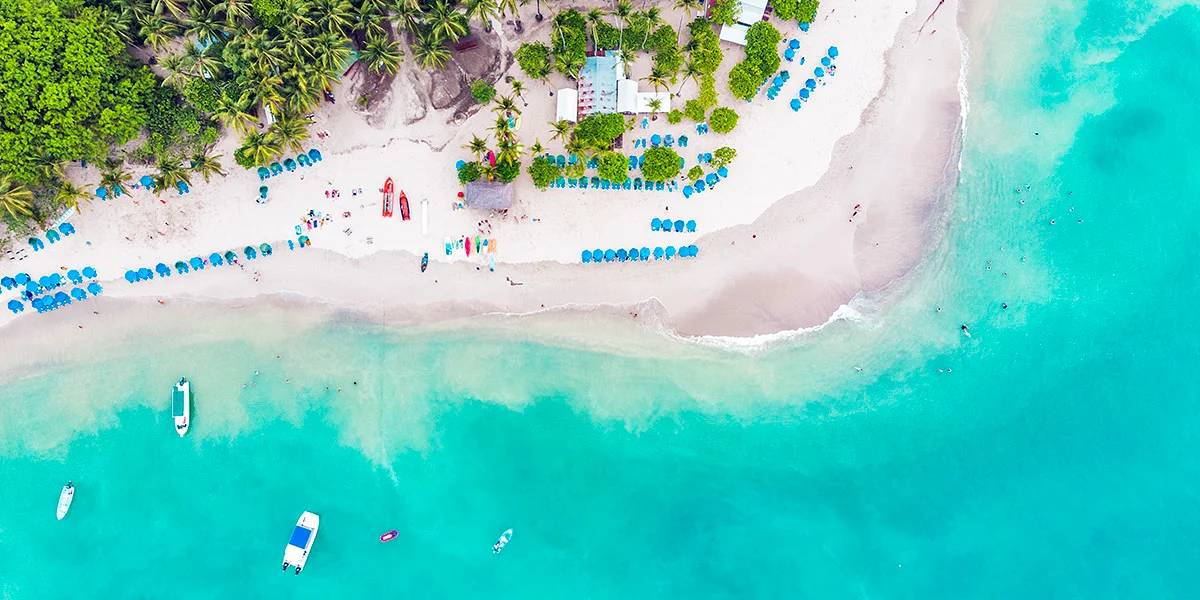
Where the Jungle Breathes with the Tides There is a specific point on the peninsula where the deep emerald of the rainforest doesn't just end—it spills directly onto white sands and into turquoise waters. This is the Curú Wildlife Refuge, a private hacienda turned biological treasure, and its offshore companion, the world-renowned Isla Tortuga.
The Schutt Family: The Guardians of the Gulf
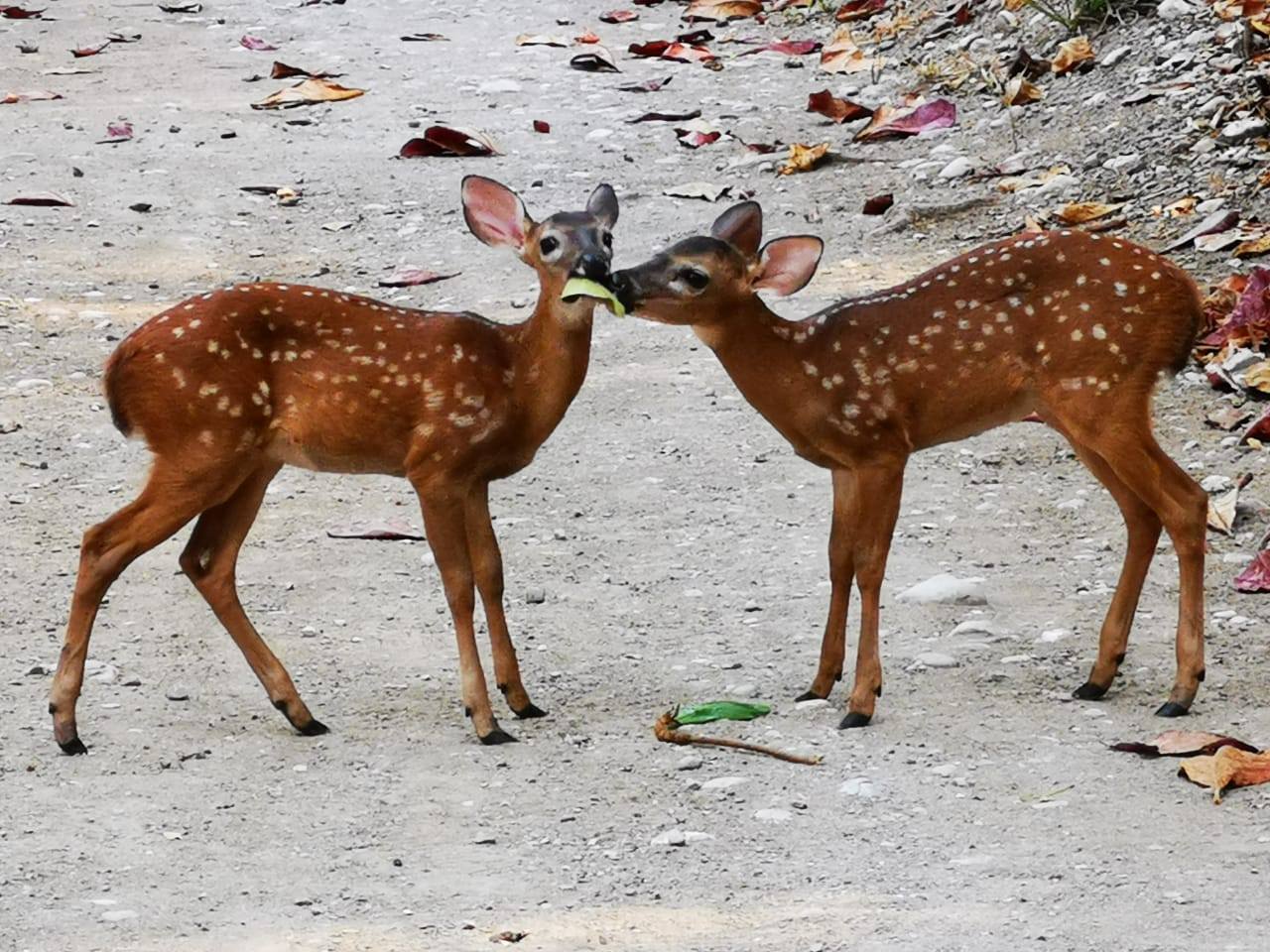
To understand Curú, you must understand the Schutt family. In the 1930s, Federico Schutt de la Croix and Doña Julietta Schutt arrived in this wild corner of Costa Rica. At the time, the philosophy of the era was "conquer and clear"—land was only seen as valuable if it was turned into pasture.
But the Schutts saw something else. They saw a symphony of life that was irreplaceable. Despite immense pressure to develop or clear the land for cattle, they chose a path of "sustainable coexistence" long before the term even existed. Federico and Julietta didn't just own the land; they protected it with a fierce, quiet devotion. When Federico passed away, Julietta and their children, particularly their daughter Adelaida, transformed the family farm into a National Wildlife Refuge. They proved that a family’s legacy isn’t measured by the timber they cut, but by the forest they leave standing.
The Legend of the Twin Islands: Tortuga and Alcatraz
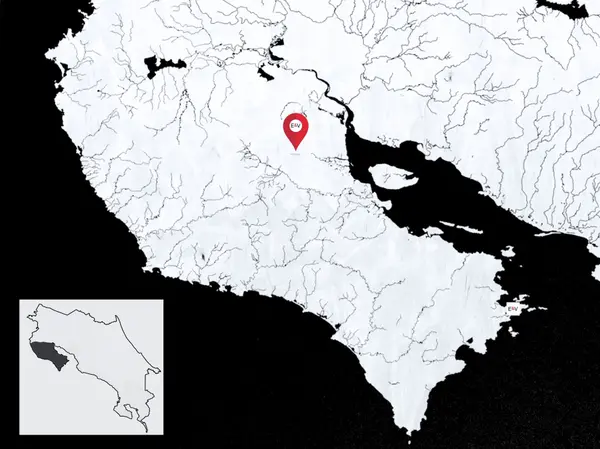
When you look out from the coast of Curú, your eyes are immediately drawn to two distinct volcanic islands rising from the sea like ancient sentinels. While most people simply call the destination "Tortuga," it is actually a pair of islands with their own unique identities:
- Isla Tortuga (Turtle Island): Named not just for the sea turtles that frequent its waters, but for its physical silhouette. When viewed from the right angle on the mainland, the island's topography mimics the shell of a giant sea turtle resting on the ocean's surface. It is the symbol of longevity and peace that defines the Nicoya lifestyle.
-
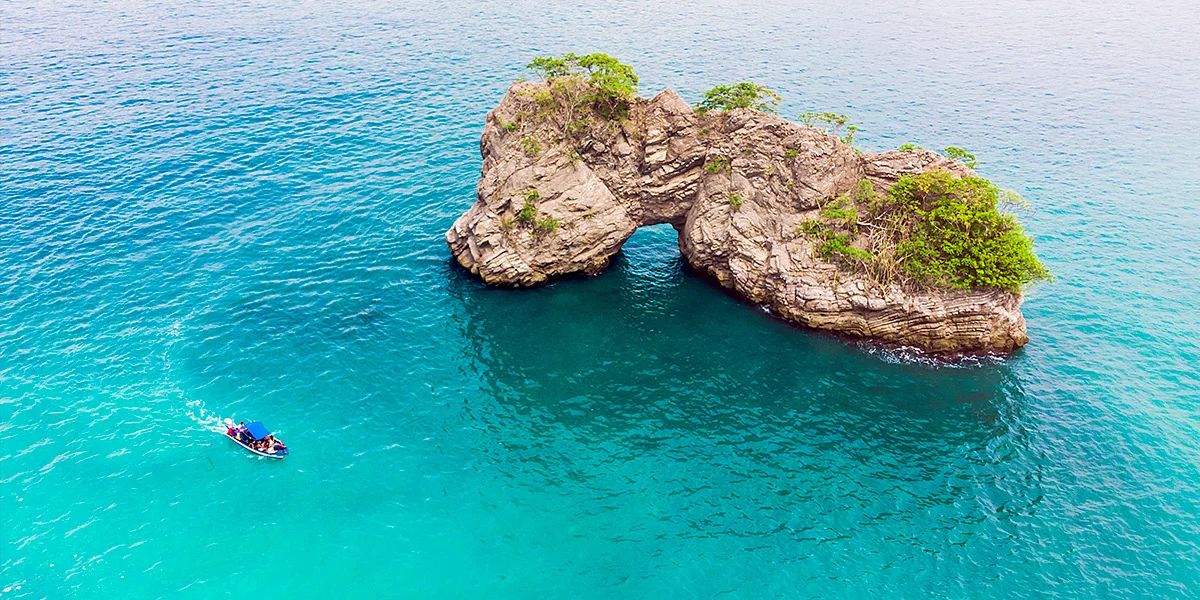
- Isla Alcatraz: Named after the Brown Pelican (often called alcatraz in older Spanish seafaring terms). This island is a rugged sanctuary for seabirds, where the air is filled with the graceful arcs of pelicans and frigatebirds. It serves as a reminder that this paradise belongs to the wings and the fins as much as it does to us.
A Symphony of Biodiversity
Because of the Schutt family's decades of protection, Curú is now one of the most vital biological corridors in Central America.
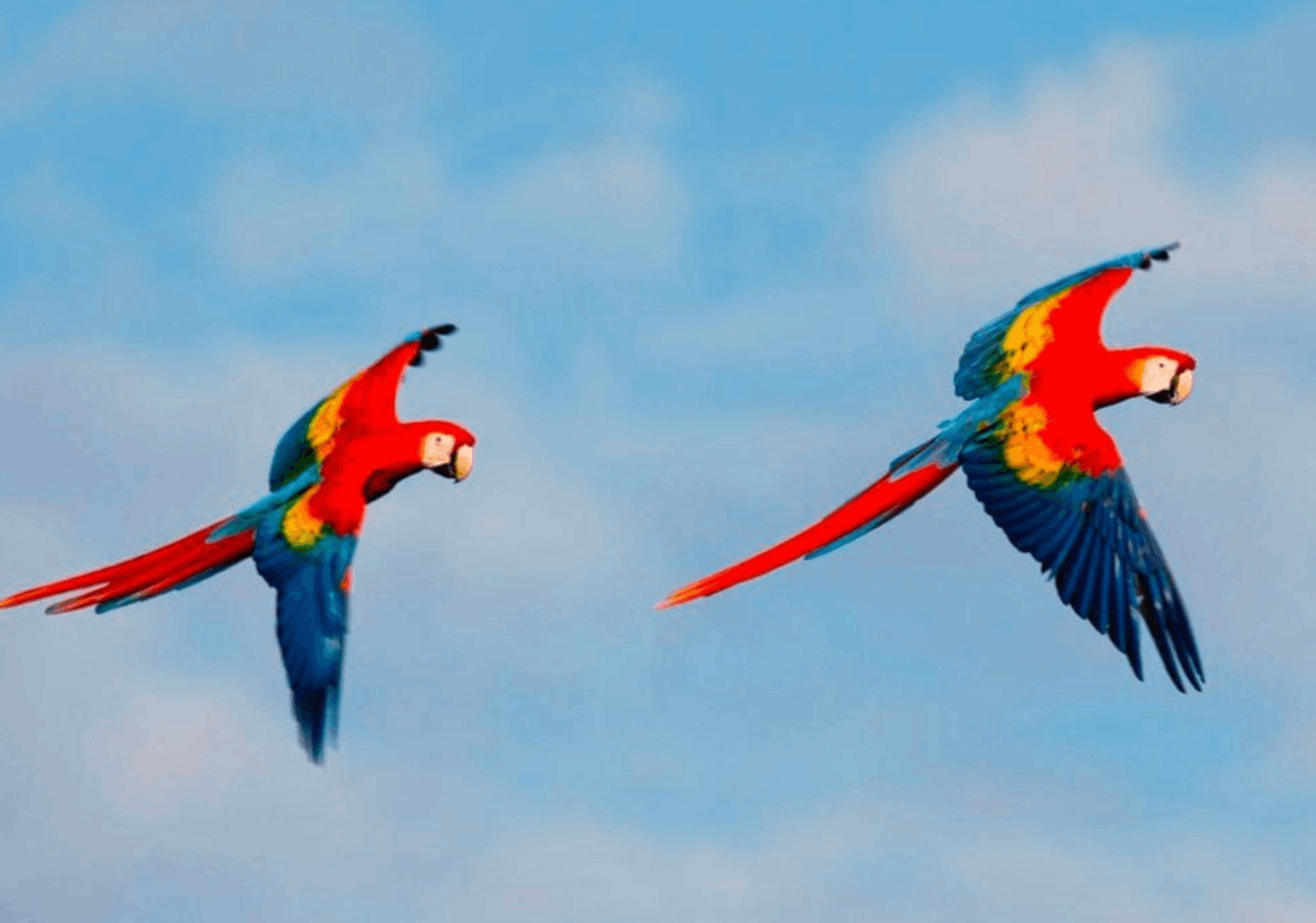
- The Scarlet Macaw: Watching a pair of these vibrant birds streak across a clear blue sky is an experience that stays in your soul. They were successfully reintroduced here, and now their raucous calls are the soundtrack of the beach.
- The Monkey Trails: It is one of the few places where you can see Spider monkeys, Howlers, and white-faced Capuchins all within the same afternoon hike.
- The Marine Mirror: Beneath the surface lies a world of king angelfish, eagle rays, and reef sharks, all thriving in a protected underwater Garden of Eden.
The Emotional Connection: The Luxury of Raw Beauty
In the luxury real estate market, we often talk about "exclusive access." In Curú and Isla Tortuga, exclusivity isn't about gates or fences; it’s about the rare privilege of standing in a place that looks exactly as it did when Federico and Julietta first fell in love with it nearly a century ago.
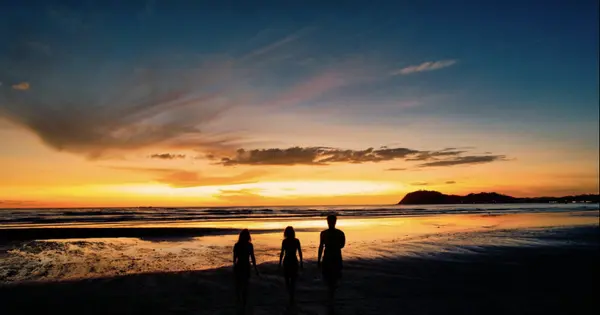
Coming here is a sensory reset. It’s the taste of salt on your skin, the smell of blooming hibiscus, and the sight of a sunset that turns the Gulf of Nicoya into liquid gold. To live near Curú is to live in a state of constant wonder, knowing you are part of a story that a single family had the courage to protect for all of us.
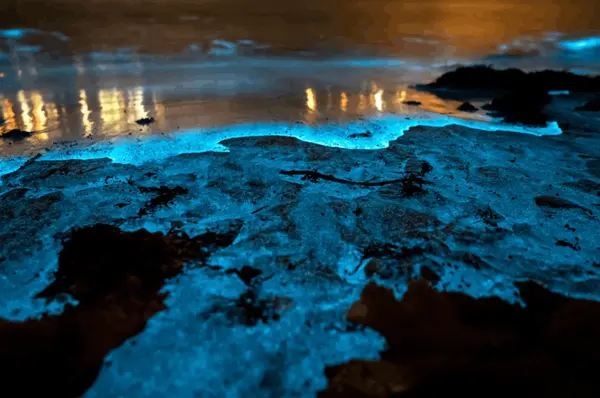
Next week: We wait for the sun to go down to witness a miracle of light: The Glowing Waters of Paquera.
Categories
Recent Posts